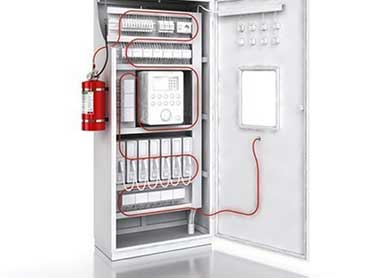
Fire Gas Flooding System | Total Clean Agent Fire Suppression
A
Fire Gas Flooding System is a clean agent-based fire suppression method used
to protect critical areas by flooding the protected space with an inert or chemical gas. These
systems rapidly extinguish fires without water, leaving no residue, and causing no damage to
sensitive equipment.
What is Fire Gas Flooding?
Fire gas flooding involves the automatic or manual release of a fire-suppressing gas into an
enclosed space upon detection of a fire. The gas reduces heat or displaces oxygen to
interrupt
the combustion process—without affecting electronic equipment or leaving any residue.
Types of Clean Agents Used
- 🧯 IG541 (Inergen): A blend of Nitrogen, Argon, and CO₂ — safe for
humans
and the environment.
- 💧 Novec 1230: Chemically engineered fluid with zero ozone depletion,
ideal
for sensitive areas.
- 🔥 FM-200 (HFC-227ea): Widely used halocarbon agent for fast
suppression
with low residue.
- 🌫️ CO₂ Flooding: High-risk fire suppression for unoccupied spaces such
as
electrical panels and turbines.
How It Works
Once fire or smoke is detected by the fire alarm control panel, a signal is sent to release
the
gas from pressurized cylinders. The agent floods the area within seconds, reducing the
temperature and/or oxygen level, effectively suppressing the fire without water damage.
Applications
- 💻 Data centers and server rooms
- 📡 Telecom and network facilities
- ⚙️ Electrical switchgear rooms and control panels
- 🏛️ Archives, libraries, and museums
- 🏥 Hospitals, MRI rooms, and labs
- 🏭 Industrial automation and cleanrooms
Key Benefits
- ✅ Non-conductive and safe for electronics
- ✅ Zero residue and no post-discharge cleanup
- ✅ Minimal downtime after activation
- ✅ Safe for personnel (for inert agents)
- ✅ Environmentally sustainable options available
Compliance & Standards
- ✔️ NFPA 2001 – Clean Agent Fire Extinguishing Systems
- ✔️ ISO 14520 – International standard for gaseous suppression systems
- ✔️ UL & FM Approved agents and components
- ✔️ Compliant with local fire authority norms in India
Maintenance & Support
Routine inspection, cylinder pressure checks, agent refills, and testing are essential to
ensure
system readiness. Certified professionals should carry out maintenance as per NFPA and OEM
guidelines.