
A Hypoxic Fire Prevention System (HAPS), also called an oxygen-reduction system, continuously supplies oxygen-reduced, nitrogen-enriched air to a suitably enclosed space. Its purpose is to reduce the ability of specified materials to ignite or sustain fire. The design concentration must be established from material data, testing, safety margin, occupancy and the approved fire strategy.
Controlled Oxygen Reduction:
The system maintains a project-specific oxygen concentration below normal atmospheric conditions. No universal percentage is suitable for every material, room or occupant. Personnel exposure, medical risks, access duration, alarms and emergency arrangements require a documented occupational-health assessment and compliance with applicable rules.
Air Separation Units:
The system uses air separation technology, often involving nitrogen generators, to remove oxygen from the air. Nitrogen is then introduced into the environment to dilute the oxygen concentration, creating a hypoxic (low-oxygen) atmosphere.
Continuous Monitoring and Regulation:
Sensors continuously monitor the oxygen levels in the protected area to ensure they remain within the designated hypoxic range. The system automatically adjusts the oxygen concentration as needed to maintain a stable environment.
Integration with Building Systems:
HAPS can be integrated with other building management systems, including HVAC, fire detection, and security systems. In the event of a fire alarm or other emergency, the system can adjust the oxygen levels or deactivate if human evacuation is necessary.
Designed for Fire Prevention: HAPS reduces the likelihood of ignition and fire growth for defined combustibles under the design conditions. ISO 20338 states that oxygen-reduction systems are not designed to extinguish fires.
No Residue or Cleanup: Since no suppression agents are used, there is no need for cleanup after the system activates.
Continuous Operation: The system can operate continuously in a controlled and monitored enclosure, but access and occupancy must follow the approved personnel-safety assessment and operating procedures.
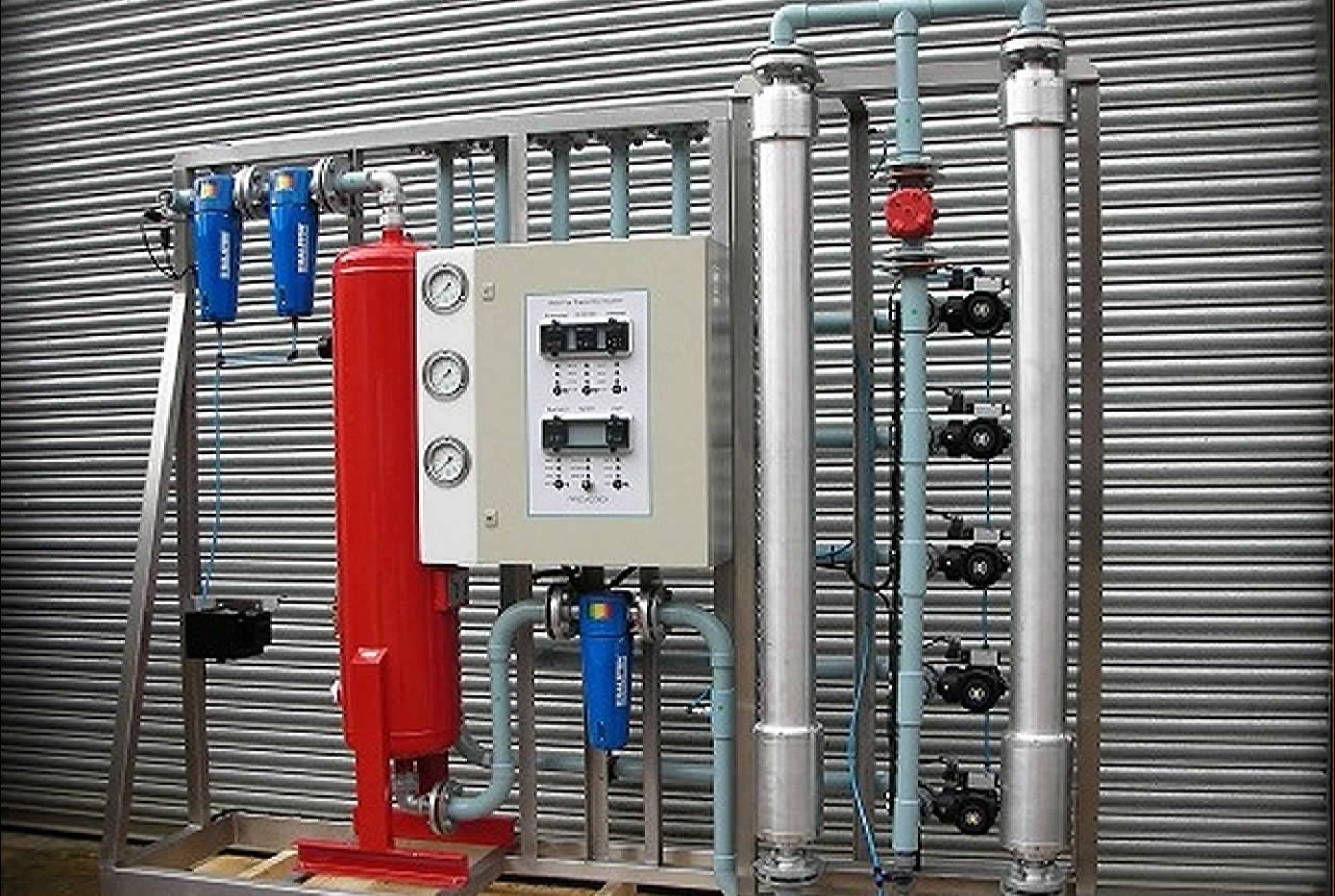

Prevents fires that could disrupt operations and lead to significant data loss or downtime.

Protects irreplaceable historical artifacts and documents from fire damage.

Ideal for areas storing valuable goods, pharmaceuticals, or critical materials that are highly susceptible to fire.
.png)
Reduces the fire risk in large storage areas, especially those with flammable materials.
Regular maintenance is required, usually every 6 to 12 months, to ensure proper function.
Hypoxic fire prevention maintains a controlled, continuously monitored atmosphere with less oxygen than normal air. Nitrogen-enriched air is supplied to a sufficiently enclosed room so defined combustibles are less likely to ignite or sustain fire at the approved design concentration.
Establish combustible materials, ignition thresholds, storage arrangement, heat sources and the required safety margin.
Assess room integrity, doors, penetrations, pressure effects, ventilation, adjoining spaces and oxygen-reduced-air demand.
Complete an occupational-health risk assessment covering access, work duration, medical considerations, alarms, training and rescue.
Provide oxygen sensors, measuring zones, alarm thresholds, fault monitoring, automatic control and documented cause-and-effect.
Coordinate HVAC, doors, access control, BMS, fire detection, shutdowns, emergency power and fire-service procedures.
Commission concentration uniformity, alarms and interfaces, then maintain sensors, production equipment and records to the approved plan.
Project support is available from Mumbai across India, subject to suitability assessment, specialist design, enclosure conditions, personnel-safety review, approvals and commercial feasibility.
Major city coverage: Mumbai, Navi Mumbai, Thane, Pune, Nashik, Nagpur, Ahmedabad, Surat, Delhi NCR, Noida, Gurugram, Jaipur, Kolkata, Bhubaneswar, Patna, Ranchi, Raipur, Indore, Bhopal, Hyderabad, Bengaluru, Chennai, Coimbatore, Kochi and other project locations.
No. It is designed for fire prevention and is not a substitute for an extinguishing system unless the approved fire strategy explicitly addresses the complete protection arrangement.
The value is project-specific and derived from material ignition-threshold data, safety margin, room conditions, occupancy and approvals—not from a universal percentage.
Only under the approved personnel-safety arrangements, including risk assessment, access control, oxygen monitoring, alarms, training and emergency procedures.
Potential applications include suitable enclosed automated warehouses, cold stores, archives, museums and selected technical facilities.
Enclosure leakage must be assessed and controlled. The system must be designed to maintain the specified concentration under expected operating conditions.
The approved plan should cover oxygen sensors, air-production equipment, filters, compressors, pipework, controls, alarms, interfaces, calibration and records.
Yes. Suitable projects are supported from Mumbai across Indian states and union territories, subject to design and approval requirements.
Oxygen Reduction System
Hypoxic Fire Safety system
Hypoxic Air Protection
Hypoxic Fire Prevention System
Server Room Fire Protection System
IT Room Fire Protection System
Data Center Fire Protection
AI Fire Suppression Systems
AI Fire Protection Smoke Detector
AI Fire Alarm System
AI Based Fire Protection System Project
Oxygen Fire Protection Systems
Fire Prevention system
Ai thermal camera for critical environment
Industrial UVIR Detectors
Infrared camera fire thermal
Thermal Fire Camera
Battery Fire
Flame Detector
Spark Detector
Warehouse Oxygen Reduction System
Heritage Building Fire Protection
Museum Fire Protection System
Auto Mobile Fire Safety System
IoT-based Fire Safety Systems
Passive Fire Doors
Passive Fire Protection Tunnel System
Railway Fire Fighting Systems
Deluge System
Fire And Safty Audits
Fire Contractor
Fire Alarm
Fire Extinguisher
Jet Monitor Fire Fighting
Wet Sprinkler
Foam/Rim Seal Protection
High Velocity Water Spray System
Low Velocity Water Spray System
Vehicle Fire Safety
Fire Pressurisation System
Auto Cad Design & Estimation
Detail Engineering for complete Site
Design Consultancy as required
Aerosol Extinguishing System
Co2 flooding system
FM-200 Fire Suppression Systems
NOVEC-1230
Inert Gases
LT/HT Panel Gas Flooding System
Gas Leak Detection
Fire Evacuation Maps
Very Early Smoke Detection VESDA
Nuclear Fire Detection System
Linear Heat Sensing Detection
Pollution Wipe Box for Aviation Industries
Project Management
Mock Drills
Fire Safety Training
Advance Fire System
Lithium-Ion Battery Fire Protection
Energy Storage Fire Protection System
EV Fire Suppression Systems
Fire Consultancy Services
Honeywell Fire Alarm Systems
Oxygen Sensors for Data Centers & Server Rooms
Smoke Curtain System
UL / EN Fire Curtain System
Water Curtain System
Tunnel Fire Protection System
Simplex Fire Alarm Systems
Self-Test Smoke Detectors
IG541 Fire Gas Suppression System
Bosch Fire Alarm Systems
Fire Suppression
Fire Hydrant
Electrical Panel Gas Flooding System
Fire Fighting Mask
Vermiculite Fire Spray
fire protection contractor license
Oxygen sensors for data centers and server rooms
Warehouse Fire Protection
Fire Safety Budget Estimation
Fire Fighting Project Design Services
Bus Fire Protection – Engine & Water Mist
Data Center Fire Protection Contractors