
Thermal camera options suitable for fire and hot-spot detection — ranging from purpose-built fire-detection units to industrial thermal imagers that can help with early fire warnings and safety monitoring
A Thermal Fire Camera (also called a thermal imaging camera for fire safety) is a device that detects heat instead of visible light, allowing it to “see” temperature differences—even in complete darkness or through smoke.
Detect hidden heat sources
Identify fire hotspots before flames appear
See through smoke during active fires
Monitor overheating equipment
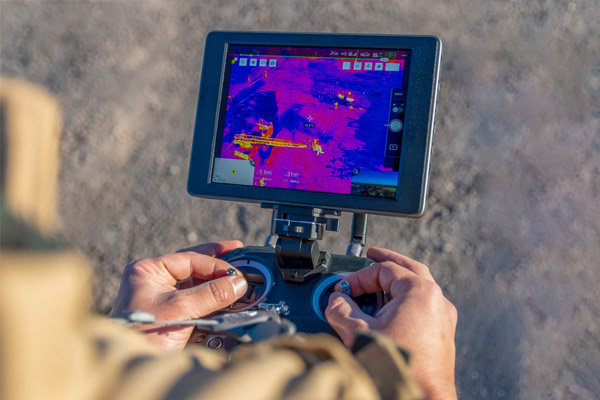
Firefighter PPE/Handheld (e.g., Reveal Fire Pro): Intended for first responders and tactical use — see through smoke, locate hot spots, find victims.
Industrial Early Fire Detection: Cameras integrated with analytics and alarm systems that monitor temperature zones and trigger alerts for hot spots before ignition (often radiometric or network connected).
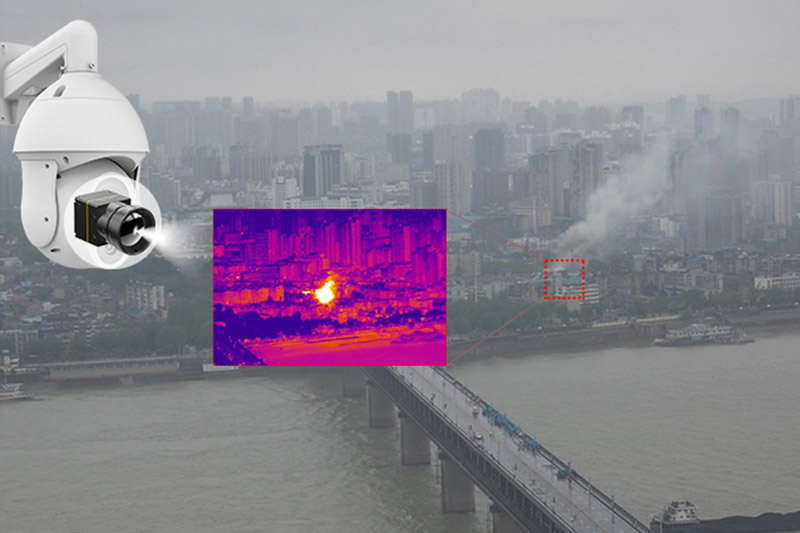
Large-Area / Wildfire Monitoring: Long-range thermal units with PTZ or dual-sensor capability, ideal for forest perimeters or remote facilities.
Used by firefighters during rescue operations
Helps locate people in smoke-filled rooms
Identifies fire spread inside walls
Temperature detection & threshold alarms: Radiometric thermal cameras (typically industrial-grade) can measure actual temperature and trigger alarms when it crosses fire risk thresholds.
AI detection / analytics: Some advanced systems combine AI or smart analytics to distinguish real fire threats from false heat signals.
Environmental protection: For outdoor use, look for IP66+/rugged housings and weather resistance. Most thermal fire-detection cameras are built for all-weather performance.
Integration: Many industrial fire thermal cameras can link to Video Management Systems (VMS), alarm systems, or building safety systems.
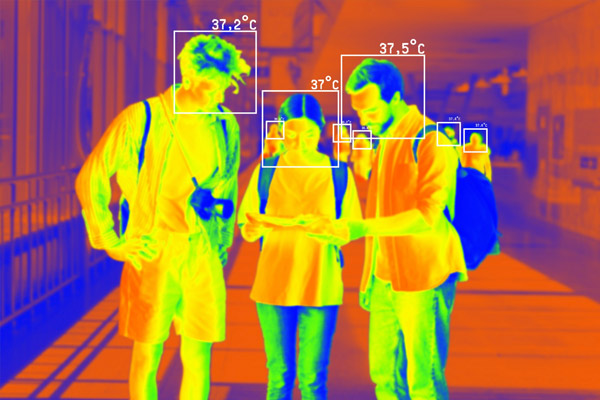
A thermal fire camera detects infrared radiation and creates a temperature-related image. Analytics can identify configured hot spots, abnormal temperature rise or thermal patterns and send alarms or control signals for investigation and response.
Define the material, equipment, credible heating scenario, target size and required response.
Coordinate distance, lens, pixel coverage, mounting, blind spots and movement.
Account for emissivity, reflected temperature, atmosphere, range and measurement uncertainty.
Consider sunlight, rain, dust, steam, vibration, hot backgrounds and enclosure protection.
Set absolute, rate-of-rise or region-based thresholds with delays and escalation rules.
Coordinate fire alarm, PLC, BMS, video management, shutdown and suppression commands.
Major cities: Mumbai, Pune, Navi Mumbai, Thane, Ahmedabad, Surat, Delhi NCR, Jaipur, Kolkata, Hyderabad, Bengaluru, Chennai, Kochi and other project locations.
It may detect exposed abnormal heating early in suitable line-of-sight applications, but performance is project-specific.
Not automatically. The approved fire strategy determines the required detection layers.
Conveyors, storage piles, waste handling, electrical equipment, process plants and other observable thermal hazards.
Emissivity, reflections, distance, target size, weather, dirty optics and viewing angle.
Only through approved, tested interface logic with suitable verification and safeguards.
Inspect optics and views, verify settings, test alarms and interfaces, and review recorded events.
Yes, for suitable projects subject to application and site requirements.
Oxygen Reduction System
Hypoxic Fire Safety system
Hypoxic Air Protection
Hypoxic Fire Prevention System
Server Room Fire Protection System
IT Room Fire Protection System
Data Center Fire Protection
AI Fire Suppression Systems
AI Fire Protection Smoke Detector
AI Fire Alarm System
AI Based Fire Protection System Project
Oxygen Fire Protection Systems
Fire Prevention system
Ai thermal camera for critical environment
Industrial UVIR Detectors
Infrared camera fire thermal
Thermal Fire Camera
Battery Fire
Flame Detector
Spark Detector
Warehouse Oxygen Reduction System
Heritage Building Fire Protection
Museum Fire Protection System
Auto Mobile Fire Safety System
IoT-based Fire Safety Systems
Passive Fire Doors
Passive Fire Protection Tunnel System
Railway Fire Fighting Systems
Deluge System
Fire And Safty Audits
Fire Contractor
Fire Alarm
Fire Extinguisher
Jet Monitor Fire Fighting
Wet Sprinkler
Foam/Rim Seal Protection
High Velocity Water Spray System
Low Velocity Water Spray System
Vehicle Fire Safety
Fire Pressurisation System
Auto Cad Design & Estimation
Detail Engineering for complete Site
Design Consultancy as required
Aerosol Extinguishing System
Co2 flooding system
FM-200 Fire Suppression Systems
NOVEC-1230
Inert Gases
LT/HT Panel Gas Flooding System
Gas Leak Detection
Fire Evacuation Maps
Very Early Smoke Detection VESDA
Nuclear Fire Detection System
Linear Heat Sensing Detection
Pollution Wipe Box for Aviation Industries
Project Management
Mock Drills
Fire Safety Training
Advance Fire System
Lithium-Ion Battery Fire Protection
Energy Storage Fire Protection System
EV Fire Suppression Systems
Fire Consultancy Services
Honeywell Fire Alarm Systems
Oxygen Sensors for Data Centers & Server Rooms
Smoke Curtain System
UL / EN Fire Curtain System
Water Curtain System
Tunnel Fire Protection System
Simplex Fire Alarm Systems
Self-Test Smoke Detectors
IG541 Fire Gas Suppression System
Bosch Fire Alarm Systems
Fire Suppression
Fire Hydrant
Electrical Panel Gas Flooding System
Fire Fighting Mask
Vermiculite Fire Spray
fire protection contractor license
Oxygen sensors for data centers and server rooms
Warehouse Fire Protection
Fire Safety Budget Estimation
Fire Fighting Project Design Services
Bus Fire Protection – Engine & Water Mist
Data Center Fire Protection Contractors