Battery hazard and site survey
Review battery chemistry, capacity, quantity, state of charge, storage or charging operations, enclosure construction and adjacent exposures.

Risk-based fire protection for lithium-ion battery applications
Hazard review, early detection, suitable fire control, cooling and installation support for battery storage, charging, UPS, renewable energy and industrial applications across India.
Lithium-ion battery fire protection combines hazard assessment, suitable battery management, early detection, alarms, isolation interfaces, fire control, cooling, measures to limit propagation and emergency planning for the actual battery application.
Battery failure can develop from electrical, mechanical or thermal damage and can release heat and hazardous gases. The risk review must consider propagation to nearby cells, electrical energy, gas accumulation and potential re-ignition.
Reliance Fire Protection Systems supports surveys, engineering coordination, supply, installation, testing, commissioning and maintenance enquiries from Mumbai for project sites across India.
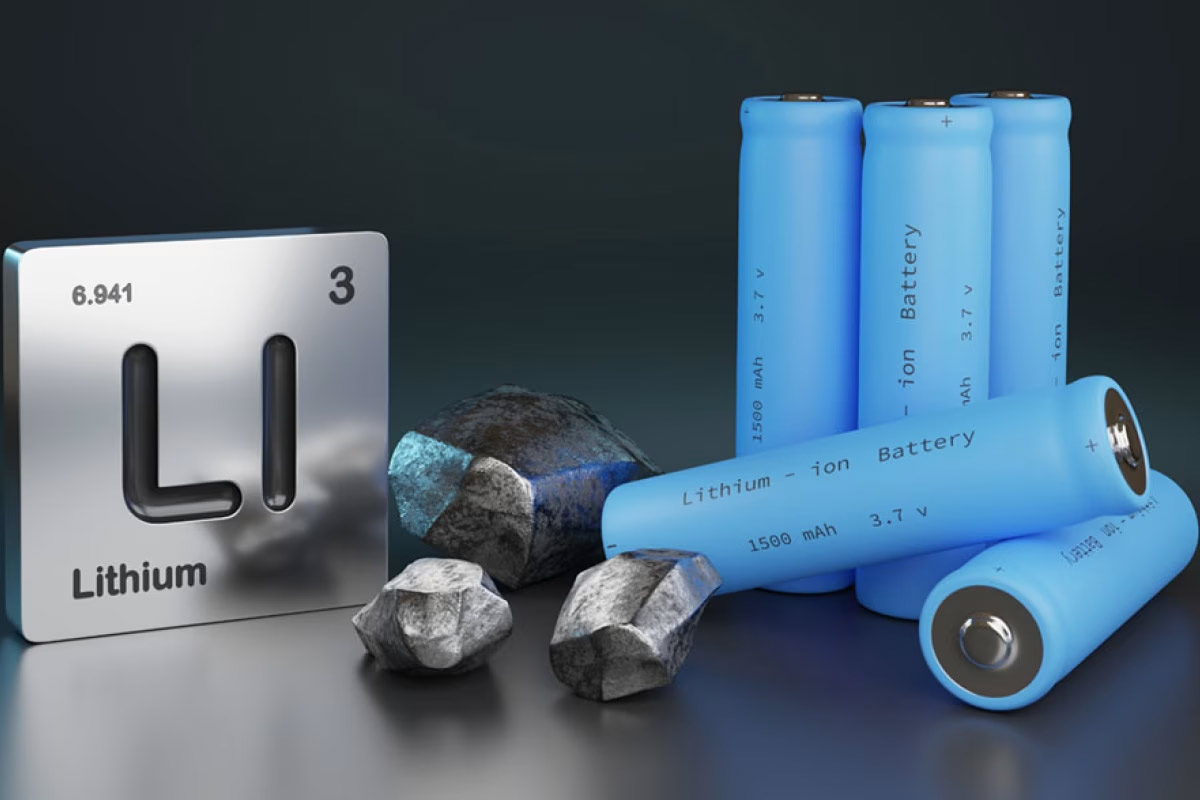
Application illustration; actual equipment selection and performance evidence must be confirmed for the battery and installation.
Review battery chemistry, capacity, quantity, state of charge, storage or charging operations, enclosure construction and adjacent exposures.
Coordinate suitable smoke, temperature or gas sensing with BMS information and documented alarm stages and response actions.
Assess fire control, cooling and propagation-control arrangements against the battery system, application and available testing.
Review ventilation, hazardous-gas accumulation, fire separation, pressure-related concerns and specialist interfaces for the actual installation.
Install the selected compatible equipment and verify alarms, faults, approved interfaces and the specified functional tests.
Plan servicing and review changes to batteries, capacity, enclosures, charging arrangements or ventilation that could alter the protection basis.
| Application | Scope to assess | Key design inputs |
|---|---|---|
| Stationary BESS | Battery cabinets, racks and containers | Representative fire-test evidence, installation arrangement, separation and emergency access |
| UPS and IT battery rooms | Indoor battery and electrical hazards | Chemistry, occupancy, ventilation, room layout and building fire strategy |
| Charging and battery storage areas | Battery quantities, charging equipment and adjacent stock | Charger compatibility, housekeeping, segregation and damaged-battery procedures |
| Manufacturing and test facilities | Process-specific cell, module or pack risks | Operations, test conditions, quantity, enclosure and approved response measures |
| Vehicle and mobile battery packs | Pack configuration and operating environment | OEM guidance and vehicle-specific requirements; no automatic transfer of a stationary design |
Gather chemistry, capacity, layout, operations, OEM data and available test reports.
Review credible failures, propagation, gas release, exposures, access and existing protection.
Define detection, fire-control objectives, cooling needs, interfaces and application limits.
Complete the specified installation checks, functional tests, records and ongoing service plan.
UL Solutions' lithium-ion safety guidance explains thermal runaway, hazardous vent gases and propagation risks. Protection must consider the battery and installation, not only visible flame extinction.
For stationary energy storage, review the applicable NFPA 855 design basis and relevant UL 9540A fire-test evidence. A test report is not blanket certification for every enclosure or layout.
Confirm Indian statutory and local authority requirements, manufacturer instructions and the chosen system's approval scope. Other battery uses, including vehicles and manufacturing processes, require their own applicable standards and risk assessment.
Project enquiries are coordinated from Mumbai for industrial, IT, logistics, renewable energy, charging and battery facilities. Equipment supply and site support depend on the application, location and agreed scope.
Lithium-ion battery fire protection combines hazard assessment, suitable battery management, early detection, alarms, isolation interfaces, fire control, cooling, measures to limit propagation and emergency planning for the actual battery application.
Thermal runaway is an uncontrolled self-heating failure within a battery cell. It can release intense heat and hazardous gases, ignite surrounding materials and trigger failure in nearby cells. Risks depend on the chemistry, state of charge, construction and installation.
A suppression system should not be assumed to stop the reactions inside every failing cell. Flame knockdown, cooling, propagation control and management of re-ignition are different objectives and need application-specific evidence and design.
A project may combine smoke or aspirating detection, temperature monitoring, suitable gas detection and BMS signals. Sensor type, coverage, location and alarm logic depend on the battery chemistry, enclosure, ventilation and manufacturer instructions.
There is no universal agent or arrangement for every battery hazard. Selection depends on the application, battery and enclosure design, test evidence, required cooling, surrounding equipment, electrical hazards and approval conditions.
No. Controlling visible flames does not by itself prove that cell heating, propagation, gas accumulation or re-ignition are controlled. Evaluate the proposed arrangement against representative testing, manufacturer limits and the actual protection objective.
No. Rechargeable lithium-ion batteries and primary lithium-metal batteries have different construction and hazards. The battery type and chemistry must be confirmed before selecting protection or emergency procedures.
UL 9540A evaluates thermal runaway fire propagation in battery energy storage systems. NFPA 855 addresses stationary energy storage installation hazards. Their applicability depends on the project; a UL 9540A report is not, by itself, a system certification or approval of every proposed installation.
No. Stationary storage containers, indoor charging or storage areas and vehicle packs have different configurations, operating conditions and approval requirements. Each requires its own hazard and system review.
Reliance Fire Protection Systems supports project enquiries from Mumbai for battery storage, charging, industrial, IT and renewable energy facilities across Indian states and union territories. The survey, design, supply, installation and maintenance scope is confirmed for each project.
Share the site location, battery type and chemistry, quantity or capacity, charging and storage arrangements, cabinet or room drawings, ventilation, manufacturer documents, available test evidence, existing systems and approval requirements.
Share the site location, battery type and chemistry, quantity or capacity, charging and storage arrangements, cabinet or room drawings, ventilation, manufacturer documents, available test evidence, existing systems and approval requirements.
Call +91 96999 90424 | sales@relifire.com | Contact Reliance Fire Protection Systems