Fire Prevention System in Building


Fire Prevention System in Building


A Fire Prevention System in a building is a comprehensive approach to safeguarding lives and property by proactively identifying and mitigating fire risks within residential, commercial, and industrial structures. These systems integrate advanced technologies such as smoke and heat detectors, IoT sensors, and intelligent control panels to provide early warning and rapid response to potential fire hazards.

Modern building fire prevention systems are designed to comply with local and international fire safety codes, ensuring that all occupants are protected and that property damage is minimized. By continuously monitoring environmental conditions and building infrastructure, these systems can detect issues like electrical faults, overheating, or the presence of smoke and gas before they escalate into emergencies.
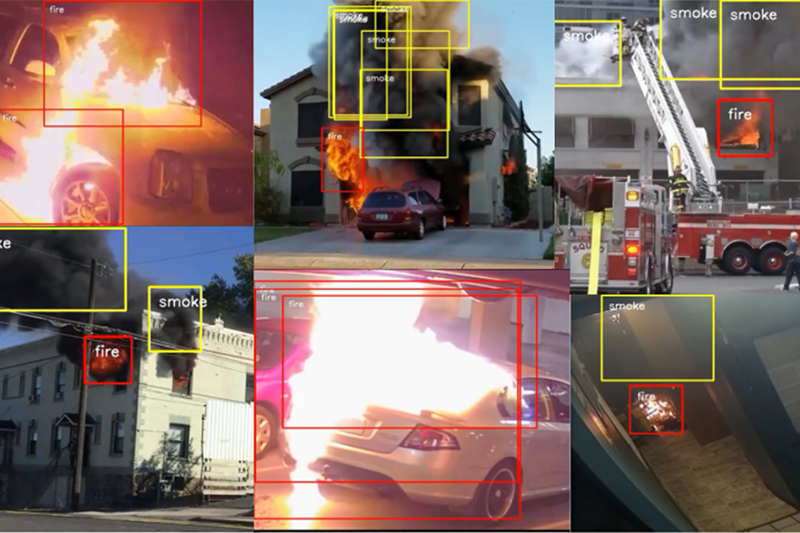
Fire Prevention System in Building

Key Features of Building Fire Prevention Systems

  • Early Detection: Identifies smoke, heat, or gas leaks at the earliest stage.
  • Automated Alerts: Instantly notifies building occupants and emergency services.
  • Integration: Connects with building management systems, elevators, and access controls for coordinated evacuation.
  • Remote Monitoring: Enables facility managers to monitor fire safety status from anywhere.
  • Regulatory Compliance: Meets fire safety standards and building codes.
  • Customizable Solutions: Adaptable for high-rise buildings, offices, malls, hospitals, and residential complexes.

Benefits

  • Reduces risk of injury and property loss.
  • Ensures fast evacuation and emergency response.
  • Minimizes business disruption and downtime.
  • Improves insurance compliance and reduces premiums.

Applications

  • High-rise residential and commercial buildings
  • Shopping malls and retail complexes
  • Hospitals and healthcare facilities
  • Educational institutions
  • Hotels and hospitality venues
  • Industrial and manufacturing plants