Thermal monitoring
Review suitable thermal cameras or temperature sensors for abnormal heat conditions around selected equipment and surrounding areas. Measurement range, field of view, background heat and environmental protection need assessment.
Plan detection, alarm interfaces and fire protection around your furnace and its surrounding hazards. Reliance Fire Protection Systems supports site review, system coordination, installation, testing and maintenance enquiries for industrial furnace facilities.
Request a furnace safety surveyCall +91 96999 90424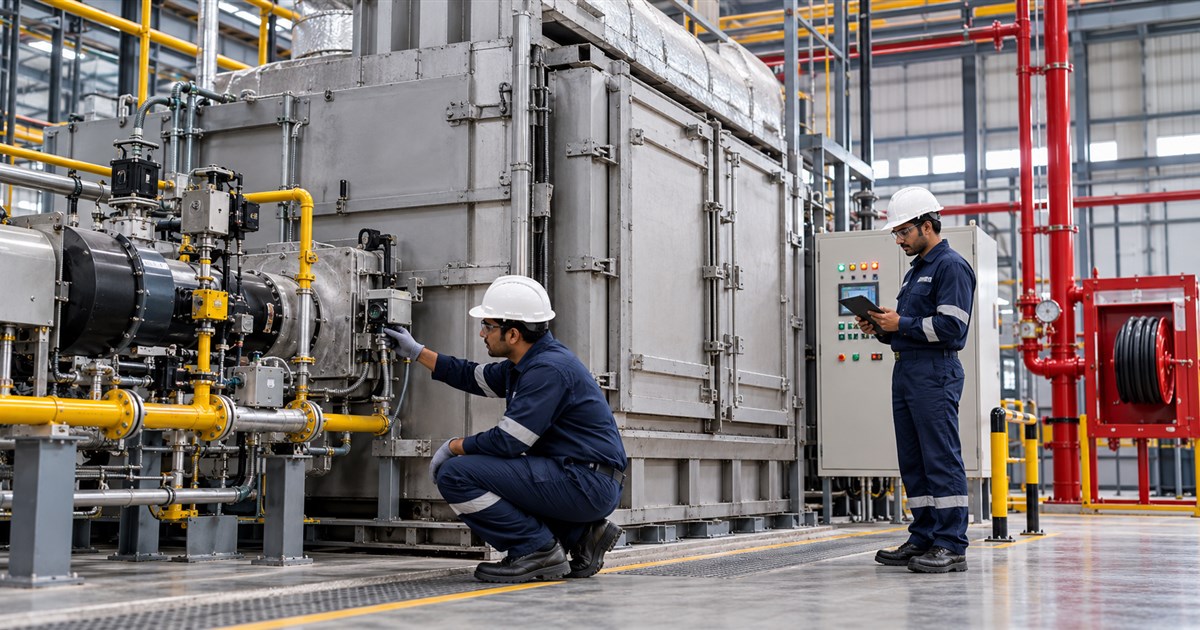
Furnace fire monitoring and fire fighting combines detection of abnormal heat or fire conditions, alarms, coordinated shutdown interfaces and suitable fire protection for the furnace area. The design depends on furnace type, fuel, process materials and surrounding hazards.
Our Mumbai team welcomes enquiries from furnace operators, plant engineers, EPC contractors and facility safety teams across India. Share your equipment details to define a practical project scope.
Review suitable thermal cameras or temperature sensors for abnormal heat conditions around selected equipment and surrounding areas. Measurement range, field of view, background heat and environmental protection need assessment.
Review burner flame supervision separately from external fire detection. Identify where gas, heat or flame detection may be appropriate for the fuel train, auxiliary equipment or nearby hazards.
Define alarm routing, annunciation, fault reporting and agreed interfaces with the fire alarm panel and plant systems. Coordinate any safety-related changes with the furnace manufacturer.
Monitoring supports awareness of abnormal conditions. Safety trips, fuel isolation and burner management functions require their own engineered design and verification.
The correct fire fighting arrangement starts with a hazard review. Protection for a fuel skid, hydraulic power pack, cable route or surrounding building can have different requirements from protection for the furnace itself.
Assess fixed protection needs for identified fuel, lubrication, hydraulic or ancillary equipment hazards. Select the medium and discharge arrangement for the material and equipment involved.
Review the suitability and coverage of building fire protection, hydrants and portable equipment, together with access routes and exposure to adjacent combustibles.
Document the approved alarm, shutdown and response interfaces. Coordinate operating procedures and training with the site team and equipment manufacturer.
Molten metal applications: Water contamination of molten metal can cause an explosion. Any water-based protection needs an application-specific assessment of discharge paths and compatibility. See the HSE molten metal safety alert.
Enquiries include heat-treatment and reheating furnaces, gas- or oil-fired process furnaces, electric furnaces, foundry melting furnaces and industrial ovens. The monitoring and protection approach is selected for the actual equipment and operating conditions.
Typical project sectors include steel and metals, foundries, automotive components, forging, engineering, glass, ceramics and manufacturing. For an existing facility, the review should identify both equipment risks and surrounding fire exposures.
Send the site location, furnace type, manufacturer, fuel, operating duty, process materials, equipment layout and existing system details. Include the project stage, required scope, access constraints and timeline.
Share the relevant furnace and fire protection drawings, existing alarm architecture and manufacturer interface requirements where available.
NFPA 86 — Standard for Ovens and Furnaces addresses fire and explosion hazards for commercial and industrial ovens and furnaces. Its applicability and the adopted edition should be confirmed for the specific equipment and project.
The HSE furnace and boiler guidance also identifies alarms, gas detection, trips, isolation and emergency response among relevant protective measures. This is a technical reference; applicable Indian authority, insurer, project and manufacturer requirements need their own review.
From our Mumbai contact point, we welcome furnace fire safety support enquiries across India. Site visits, workshop format and availability are agreed for each project.
Our fire safety and furnace fire safety support support covers enquiries from the following industrial zones, IT parks, SEZs, logistics hubs and manufacturing clusters across India. Each project is scoped to the furnace type, surrounding hazards and existing protection systems.
Mumbai and Navi Mumbai enquiries include SEEPZ SEZ, TTC Industrial Area, Taloja MIDC and Mahape IT Park. Share your facility location and furnace and fire protection drawings to discuss the study scope.
Furnace fire monitoring and fire fighting combines detection of abnormal heat or fire conditions, alarms, coordinated shutdown interfaces and suitable fire protection for the furnace area. The design depends on furnace type, fuel, process materials and surrounding hazards.
Reliance Fire Protection Systems supports furnace fire monitoring and fire fighting project enquiries from Mumbai, India. Contact sales@relifire.com or +91 96999 90424 with your furnace details, location and drawings.
A thermal camera can support temperature monitoring and hotspot detection where suitable. It should not be assumed to replace the burner flame safeguard, burner management system or safety interlocks specified by the furnace manufacturer and project design.
Selection requires a review of the furnace, fuels, charge materials, hydraulic or lubrication systems, nearby combustibles and occupancy. The extinguishing medium, discharge zones and shutdown interfaces must be compatible with the equipment and process.
No. Water contacting molten metal can cause a violent explosion. Water-based protection must be assessed for the specific application, including how discharge could reach the furnace or molten material. The design should be coordinated with the furnace manufacturer and competent fire protection specialists.
Alarm and status interfaces can be reviewed for compatibility with the existing fire alarm panel, PLC, SCADA or burner management system. The cause-and-effect requirements and separation of monitoring from safety functions must be agreed before implementation.
Share the site location, furnace type and duty, fuel, operating conditions, process materials, equipment layout, manufacturer documents and existing detection and fire protection drawings. Include the required project scope and timeline.
The agreed scope can include detector inspection, alarm and interface testing, fire protection system checks, maintenance recommendations and records. Test procedures, shutdown permissions and responsibilities are coordinated with the site and equipment manufacturer.
Enquiries are welcome from all 28 Indian states and 8 union territories, including the industrial locations listed on this page. Site visits, installation, commissioning and maintenance arrangements are confirmed in the project proposal.
The price depends on the number and type of furnaces, detector selection, environmental conditions, interfaces, protection equipment, installation access and testing scope. A quotation follows review of the site details and agreed requirements.
Share your location, furnace details and required scope to arrange a discussion with Reliance Fire Protection Systems.
Email your enquiryContact usMumbai, Maharashtra, India
# 2, Ground Floor, Albion Place, Heritage Compound, Opp. Gloria Church, Sant Savta Marg, Byculla (East), Mumbai - 400 027.
+91 96999 90424
sales@relifire.com
Related services: Furnace fire protection · Boiler fire protection · Thermal fire cameras · Fire fighting maintenance