Museum risk review
Assess exhibits, storage, visitors, staff, equipment, activities and collection-specific vulnerabilities.

Life safety, historic fabric and collection protection
Museum-specific enquiries for ignition prevention, early warning, appropriate suppression and collection protection, with operational and conservation requirements reviewed together.
Museum fire prevention combines ignition controls, housekeeping, work procedures, suitable detection, warning, suppression and emergency planning to reduce fire risk to people, collections and buildings. The strategy is selected for the museum’s materials, spaces, activities and conservation needs.
Reliance Fire Protection Systems supports surveys, design coordination, installation, testing, audit and maintenance enquiries from Mumbai for property locations across India.
Prevention starts with the museum’s activities, collection materials, electrical installations, storage and visitor arrangements. Review temporary exhibitions and contractor work alongside permanent systems so that operational changes remain within the agreed fire strategy.
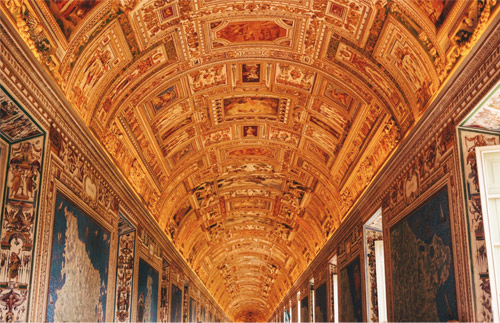
Illustrative museum gallery image; it does not identify a completed Reliance project.
Assess exhibits, storage, visitors, staff, equipment, activities and collection-specific vulnerabilities.
Review wiring, electrical equipment, hot work, contractor activities, combustible waste and housekeeping.
Select suitable detection, coverage, notification and alarm response for occupied and unattended spaces.
Review appropriate systems against hazards, materials, agent effects, enclosure conditions and product evidence.
Coordinate escape, responder access, utilities, staff duties and collection recovery priorities.
Plan inspections, tests, defect tracking and assessment of temporary exhibitions or layout changes.
| Property or space | Design considerations |
|---|---|
| Galleries and exhibition spaces | Visitors, display cases, lighting, temporary wiring, detection coverage and conservation needs. |
| Collection storage and archives | Materials, storage density, access, enclosure conditions and suitable fire protection. |
| Conservation workshops and service areas | Equipment, work activities, materials, ignition controls and separation from collection spaces. |
| Historic museum buildings | Significant fabric, concealed voids, routes, access, current use and conservation requirements. |
There is no universal choice. System selection depends on the fire hazards, occupancy, construction, collections, enclosure, water supply, agent suitability and approvals. Sprinklers, water mist, gaseous systems or other measures require application-specific engineering and evidence.
Not automatically. The strategy should compare fire loss and potential suppression effects for the actual building and contents. Water-based protection may be appropriate in some spaces; selection should involve fire-protection and conservation specialists rather than a blanket assumption.
Proposed interventions should be reviewed with the conservation team and relevant authorities before installation, including routing, fixings, penetrations and any alterations to significant features.
Collect plans, use, significance, hazards, restrictions, collections and existing-system information.
Review life safety, conservation objectives, suitable systems, interfaces and approval requirements.
Agree methods, protections, routing, installation boundaries, tests and records before execution.
Plan inspections, training, emergency arrangements, salvage priorities and reviews after changes.
The Canadian Conservation Institute’s historic-building guidance discusses fire-protection decisions in historic properties. The US National Park Service museum handbook includes collection fire protection and emergency planning.
These are conservation references, not Indian statutory requirements. Confirm applicable fire, building and heritage requirements, required consents and competent specialists for the actual property.
Reliance Fire Protection Systems supports museum fire prevention and Fire Safety Audit Services enquiries across all Indian states and union territories. Survey, design and project support are coordinated from Mumbai according to the site hazards, deliverables and applicable requirements.
Delhi is a union territory; Delhi NCR also includes locations in neighbouring states. Enquiry coverage does not indicate a local office in each state or union territory.
Our museum fire protection and Fire Safety Audit Services support covers enquiries for the following industrial zones, IT parks, SEZs, logistics hubs and manufacturing clusters across India. Survey, supply, execution and service arrangements are agreed for each site.
Museum fire prevention combines ignition controls, housekeeping, work procedures, suitable detection, warning, suppression and emergency planning to reduce fire risk to people, collections and buildings. The strategy is selected for the museum’s materials, spaces, activities and conservation needs.
Collections, display cases, storage, workshops, visitor areas and historic fabric can present different risks and constraints. The strategy must consider life safety, fire spread, smoke and suppression effects, security interfaces and recovery priorities with the museum and conservation teams.
Suitable smoke, aspirating or other detection may be considered after reviewing room layout, airflow, display cases, environmental conditions, visual impact and maintenance access. The design must define alarm response and interfaces for the actual collection spaces.
There is no universal choice. System selection depends on fire hazards, occupancy, collection materials, building construction, enclosure, water supply, agent effects and approvals. Sprinklers, water mist, gaseous systems or other measures require application-specific engineering and evidence.
Not automatically. The strategy should compare fire loss and potential suppression effects for the actual building and contents. Water-based protection may be appropriate in some spaces; selection should involve fire-protection and conservation specialists rather than a blanket assumption.
No. Gaseous suppression requires assessment of the enclosure, agent, occupancy and ventilation. Oxygen-reduction prevention has different design and access requirements. Neither should be assumed suitable for every gallery, display case, occupied area or storage room.
Review electrical equipment, temporary exhibition wiring, hot work, storage and housekeeping, contractor activities, combustible waste, visitor activities and access control. Assign responsibilities and inspect changes before they introduce unassessed fire risks.
Plans can identify escape arrangements, staff responsibilities, emergency contacts, access, utilities, hazards and priority collections or spaces. Salvage priorities must be coordinated with responders and conservation teams without compromising life safety.
Yes. The assessment should consider visitor numbers, staff, occupant needs, activities, access, working hours and temporary impairments. Survey, testing and installation arrangements must be coordinated with the site’s operation.
No. Confirm applicable fire, building and any heritage requirements, consent routes and responsible authorities for the premises. Equipment selection, installation and technical advice do not automatically grant statutory approval.
Reliance Fire Protection Systems supports surveys, design coordination, installation, audit and maintenance enquiries from Mumbai across all 28 Indian states and 8 union territories. Scope, conservation interfaces, credentials and service arrangements are confirmed for each museum.
Share the museum location, plans, collection types, storage and display arrangements, visitor and staff information, conservation constraints, existing systems, utilities, approval conditions and required scope. Call +91 96999 90424 or email sales@relifire.com.
Share the museum location, plans, collection details, operating needs and required scope for a project-specific review.