
Passive Fire Protection (PFP) Tunnel Systems are engineered to enhance the fire safety of tunnels and underground infrastructure. These systems use fire-resistant materials and construction techniques to contain fire, prevent its spread, and maintain the structural integrity of tunnels during high-temperature events.
For expert consultation, design, and installation of passive fire protection tunnel systems, contact Reliance Fire Protection Systems. We deliver end-to-end solutions tailored to your tunnel safety requirements.
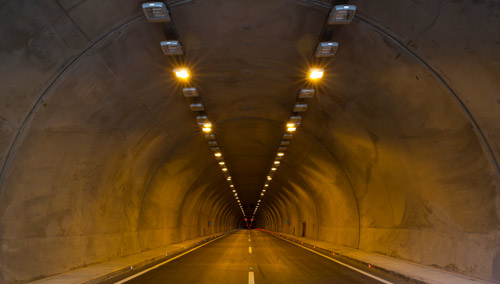
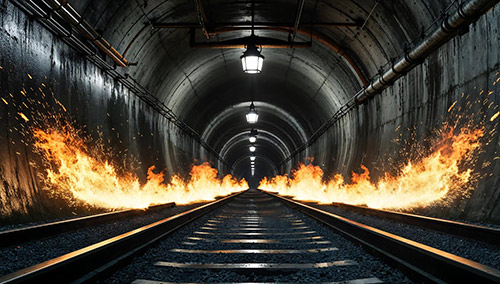
Fire-Resistant Linings: Special panels or sprays applied to tunnel walls and ceilings to withstand high temperatures and protect concrete and steel structures.
Fire Barriers & Compartmentation: Barriers and partitions that divide tunnels into sections, limiting fire and smoke spread.
Fire-Resistant Coatings: Intumescent or cementitious coatings that expand or insulate under heat, protecting surfaces from fire damage.
Fireproof Insulation: High-performance insulation materials to protect cables, pipes, and critical systems.
Fire Doors & Seals: Certified fire doors and expansion joint seals to maintain compartmentation and block fire paths.
Prevents rapid fire spread and flashover
Maintains tunnel structural stability during fire
Provides safe evacuation routes for occupants
Protects critical infrastructure and equipment
Reduces repair costs and downtime after fire incidents
Ensures compliance with international tunnel fire safety standards (e.g., NFPA 502, EN 1363-1)
Road tunnels
Railway and metro tunnels
Utility and cable tunnels
Underground parking and pedestrian passages
Tested and certified for high fire resistance (up to 2-4 hours or more)
Customizable for new construction or retrofitting existing tunnels
Low maintenance and long service life
Supports safe tunnel operation and emergency response
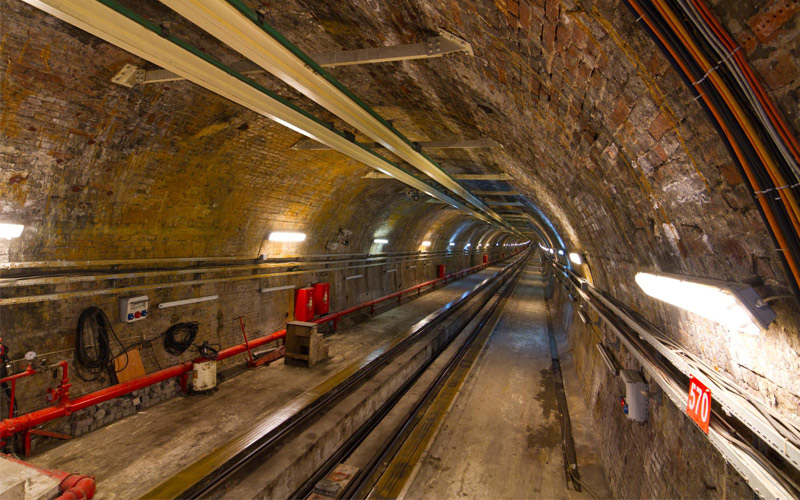
Tunnel passive fire protection uses tested, built-in systems to limit heat transfer, structural damage, spalling and the spread of fire or smoke through joints and service openings. It supports evacuation, firefighting, structural stability and post-fire recovery.
Tested boards, sprayed systems or other protection selected for the design fire exposure.
Protection for approved steel supports, frames and components based on tested assemblies.
Fire-resistive systems coordinated with movement, waterproofing and services.
Fire-resistant routing, barriers, enclosures and penetration protection for critical systems.
Anchors, mesh, brackets and attachments assessed as part of the system.
Thickness, coverage, joints, damage, environmental exposure and compatible reinstatement.
Project coverage: Mumbai, Pune, Delhi NCR, Chennai, Bengaluru, Hyderabad, Kolkata, Ahmedabad and other road, rail, metro and utility tunnel locations.
To limit heating, spalling and structural damage under the approved design fire.
Boards, sprayed mortars, tested coatings, joint systems and firestop seals, subject to test evidence.
No. Build-up depends on the tested assembly, fire curve, duration, substrate and exposure.
With tested systems accommodating required movement and service conditions.
Yes. Fixings and attachments can influence fire performance and must be coordinated.
Check substrate, fixings, thickness, coverage, joints, penetrations, damage and records.
Yes, for suitable projects subject to specifications and approvals.
Oxygen Reduction System
Hypoxic Fire Safety system
Hypoxic Air Protection
Hypoxic Fire Prevention System
Server Room Fire Protection System
IT Room Fire Protection System
Data Center Fire Protection
AI Fire Suppression Systems
AI Fire Protection Smoke Detector
AI Fire Alarm System
AI Based Fire Protection System Project
Oxygen Fire Protection Systems
Fire Prevention system
Ai thermal camera for critical environment
Industrial UVIR Detectors
Infrared camera fire thermal
Thermal Fire Camera
Battery Fire
Flame Detector
Spark Detector
Warehouse Oxygen Reduction System
Heritage Building Fire Protection
Museum Fire Protection System
Auto Mobile Fire Safety System
IoT-based Fire Safety Systems
Passive Fire Doors
Passive Fire Protection Tunnel System
Railway Fire Fighting Systems
Deluge System
Fire And Safty Audits
Fire Contractor
Fire Alarm
Fire Extinguisher
Jet Monitor Fire Fighting
Wet Sprinkler
Foam/Rim Seal Protection
High Velocity Water Spray System
Low Velocity Water Spray System
Vehicle Fire Safety
Fire Pressurisation System
Auto Cad Design & Estimation
Detail Engineering for complete Site
Design Consultancy as required
Aerosol Extinguishing System
Co2 flooding system
FM-200 Fire Suppression Systems
NOVEC-1230
Inert Gases
LT/HT Panel Gas Flooding System
Gas Leak Detection
Fire Evacuation Maps
Very Early Smoke Detection VESDA
Nuclear Fire Detection System
Linear Heat Sensing Detection
Pollution Wipe Box for Aviation Industries
Project Management
Mock Drills
Fire Safety Training
Advance Fire System
Lithium-Ion Battery Fire Protection
Energy Storage Fire Protection System
EV Fire Suppression Systems
Fire Consultancy Services
Honeywell Fire Alarm Systems
Oxygen Sensors for Data Centers & Server Rooms
Smoke Curtain System
UL / EN Fire Curtain System
Water Curtain System
Tunnel Fire Protection System
Simplex Fire Alarm Systems
Self-Test Smoke Detectors
IG541 Fire Gas Suppression System
Bosch Fire Alarm Systems
Fire Suppression
Fire Hydrant
Electrical Panel Gas Flooding System
Fire Fighting Mask
Vermiculite Fire Spray
fire protection contractor license
Oxygen sensors for data centers and server rooms
Warehouse Fire Protection
Fire Safety Budget Estimation
Fire Fighting Project Design Services
Bus Fire Protection – Engine & Water Mist
Data Center Fire Protection Contractors